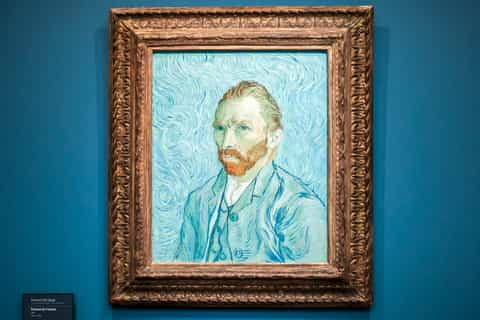
Find Van Gogh’s self-portrait
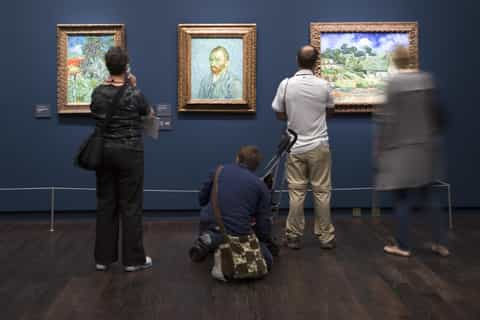
Head to the Post-Impressionist rooms for Van Gogh’s intense colour and brushwork. Do not rush after the first familiar painting; compare the handling of paint across nearby works.
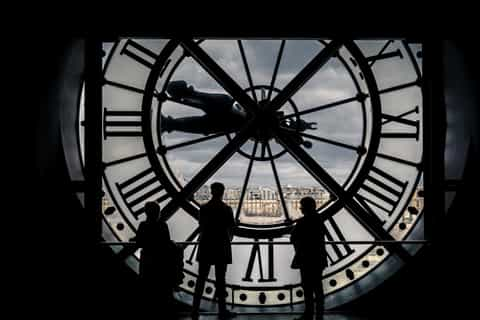
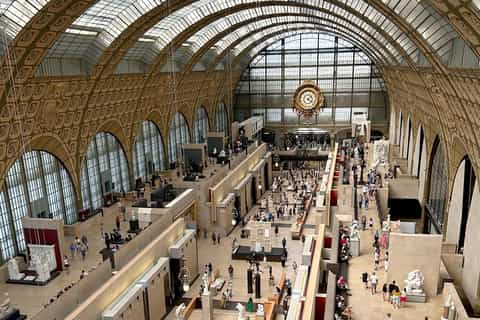
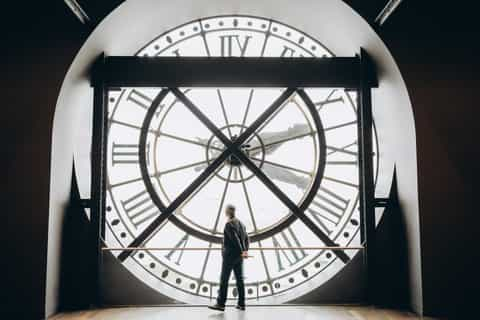
Start with the Impressionist galleries, notice the former station hall and great clock, then choose between Rodin Museum, the Tuileries Garden, or a Seine-side walk toward Saint-Germain-des-Prés.
Most first visits need about 2 to 3 hours. Pick your priority galleries first, then leave time to look at the station itself.
Head to the Post-Impressionist rooms for Van Gogh’s intense colour and brushwork. Do not rush after the first familiar painting; compare the handling of paint across nearby works.
Look for Renoir’s Montmartre gathering in the Impressionist collection. It works best as a scene of movement: dancers, tables, faces, shade and patches of light compete for attention.
Pause with Manet’s Olympia rather than treating it as a tick-box work. Its direct gaze and modern subject unsettled many viewers when it appeared at the Paris Salon in 1865.
Use the galleries to compare artists rather than hunt one name at a time. Monet, Renoir and their peers paint light differently, from loose reflections to denser, warmer surfaces.
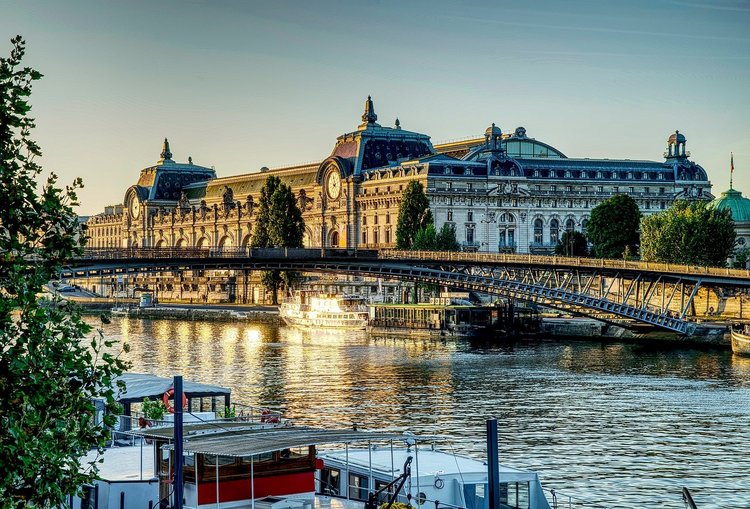
The vast hall was built for trains, not paintings. Its high roof and open scale explain why the museum feels different from a palace gallery, even before you reach the major collections.
The station clock is one of the building’s memorable details. It turns a practical railway feature into a view toward the city, linking the museum’s art with the Paris beyond it.
After rooms of paintings, change pace with sculpture and the building’s broad public spaces. This shift helps prevent the final galleries becoming a blur of famous names and crowded walls.
Timed tickets still go through security screening. Start with the galleries you care about most, especially Impressionist rooms, and do not save them for a rushed final hour.
Do not automatically add every nearby attraction. Choose one based on your energy, time, and whether you want more art, fresh air, or a quieter finish.
Rodin Museum gives the day a different art form: sculpture and gardens rather than another large painting collection. It is the strongest addition for visitors who want a second museum experience.
The Tuileries offers open air after indoor galleries. It works well after Orsay because the route changes the pace from viewing art indoors to walking, resting, and looking across Paris.
A riverside walk gives the museum day an easy ending without another entry queue. Continue toward Left Bank streets when you want a neighbourhood change after several hours indoors.
Musée de l’Orangerie is a focused Monet stop, best for visitors who specifically want the panoramic Water Lilies installation. It complements Orsay, but makes a longer art-heavy day.
Stay near the museum and use the Seine as a low-effort break. This is better than forcing another timed attraction after a full visit, especially if your gallery route took longer than planned.
It adds sculpture and garden space, so the second museum feels different rather than like a repeat of Orsay.
Both give you outdoor time with no new museum route to manage after several floors indoors.
Go for the Water Lilies rooms, but treat it as one focused extra rather than another quick stop.
Choose independent entry for your own pace. Choose a guide if context and a clear route matter more.
Pick major paintings, the clock, and the central hall before entering. Everything else is a bonus.
Add Rodin, Orangerie, or an outdoor walk. Do not try to fit all three around one museum visit.
The ticket name matters less than your preferred pace, need for explanation, and whether you genuinely want a second museum.
This gives museum access for a self-paced visit. It does not provide live commentary or remove security screening.
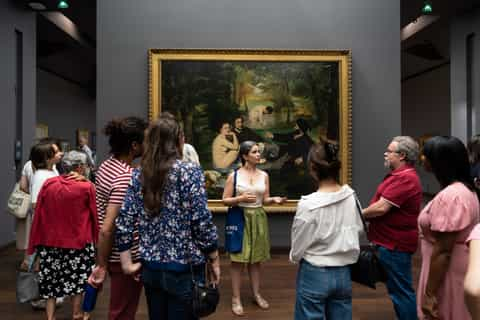
This format suits visitors who want explanations while keeping control of their route. It is not the same as a guide-led visit.
A guide can help you make sense of key works and the building. Tour details vary, including admission arrangements.
This format covers two museums in one purchase. It works only when you have enough time and interest for both visits.
Compare them by what each one actually solves: simple entry, app-based context, a guided route, or access to a second museum.
Most reviewed
A practical choice if you want museum entry and prefer building your own route around the galleries, clock, and station hall.
Audio guide app
Choose this if you want commentary while keeping a self-paced visit. It suits visitors who like stopping longer at selected works.
Highly rated tour
A strong fit if you want an expert to connect major works and keep the visit focused rather than choosing every room yourself.
Two museums
Useful when Rodin is already your one planned addition. It suits a full art day with paintings at Orsay and sculpture at Rodin.
Guided format
Choose this if you want entry and a guide in one experience. It works well for a first visit built around key paintings.
Key works focus
A sensible choice if you want a guided introduction centred on the museum’s headline works rather than a broad independent route.
Paris Art Museum Tickets is an independent visitor guide and is not the official Orsay Museum website. Some links are affiliate links, which means we may earn a commission at no extra cost to you. *Ratings, review counts and starting prices come from the supplied booking data and can change; check the live booking page for your date and selected option.
Plan food around the route. A museum visit is easier when your next meal is not another fixed deadline.
Choose something near your start point and leave enough time for the correct entrance and security screening.
The museum has the Restaurant, Café Campana, Café de la Gare, and a seasonal terrace. Entry is required for these venues.
Saint-Germain-des-Prés suits a proper break after the galleries, especially before an unstructured riverside walk.
The difference between a good day and an exhausting one is usually how many separate plans are squeezed around one timed museum visit.
Popular Impressionist rooms can become crowded. See them early rather than hoping to return after a full circuit.
During renovation, timed tickets use the Quay Entrance. Other visitor types use the Forecourt Entrance.
Security checks can delay entry. Leave room after your museum slot instead of scheduling another timed activity immediately.
Items larger than 56 × 45 × 25 cm are not allowed. Use the free self-service cloakroom for eligible small luggage.
Under-18s can enter free, and children under 13 need an adult. A shorter highlights route usually works better than every floor.
Your admission allows one entry and any exit is final. Eat, rest, and plan nearby stops after you have finished inside.
For most first-time visitors, choose independent entry or a guided format, pick three highlights before arrival, and add just one extra: Rodin Museum, the Orangerie, or a relaxed Seine walk.